
Why Plywood Costs More on a Roofing Invoice Than at the Store
October 9, 2025
What You’re Really Paying for When Your Roofer Replaces Plywood
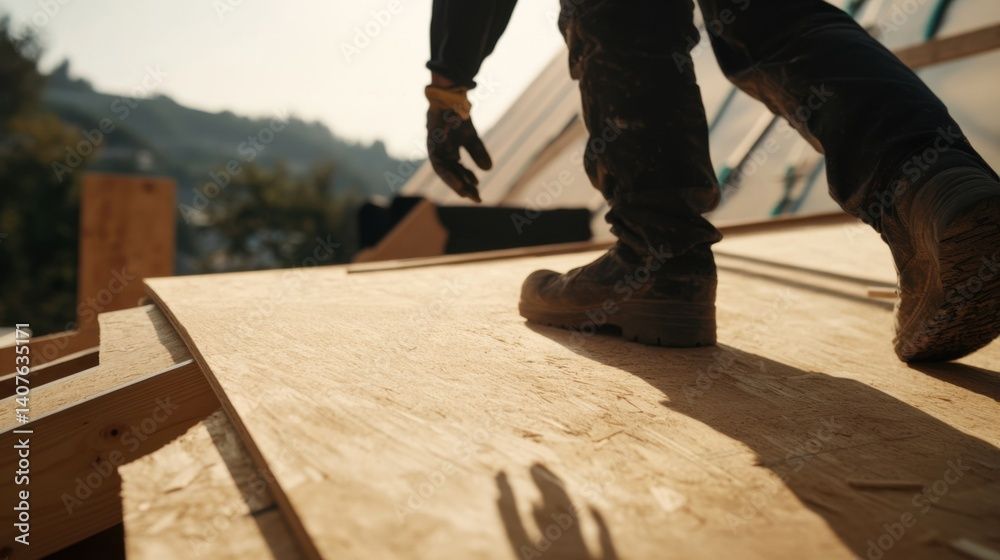
If you’ve ever glanced at a roofing estimate and thought, “Wait… why is the plywood so expensive? I saw it for way less at the hardware store!”
— you’re not alone. It’s a common question, and one we completely understand.
At first glance, it might seem like a contractor is marking up the material. But the truth is, there’s a lot more to that line item than just the cost of the wood itself. When you see “plywood decking replacement” on your roofing invoice, you’re paying for much more than a single sheet of lumber — you’re paying for the skill, time, labor, tools, and safety
it takes to install it properly.
Let’s take a closer look behind the scenes.
🔨 Step 1: Tearing Off the Old Decking
Before new plywood ever makes it onto your roof, the old material has to come off — and that’s no small job.
- Roofers must tear off shingles, underlayment, nails, and the existing decking, often in high heat or cold conditions.
- Every nail, screw, and rotted section has to be removed carefully to avoid damaging rafters or trusses underneath.
- This step takes skill and precision — and it’s messy, heavy, and labor-intensive.
🚚 Step 2: Purchasing and Transporting the Material
Once the damaged decking is identified, it’s time to replace it. But unlike grabbing a few sheets at a home improvement store, the process looks very different for a roofing company:
- A team member has to travel to a supplier or lumber yard, sometimes miles away.
- They load and secure the plywood, then transport it back to the job site.
- Once there, they unload each sheet manually, often weighing around 50–60 pounds apiece.
That’s hours of paid labor — before the first nail is ever driven.
🪜 Step 3: Hauling Materials Onto the Roof
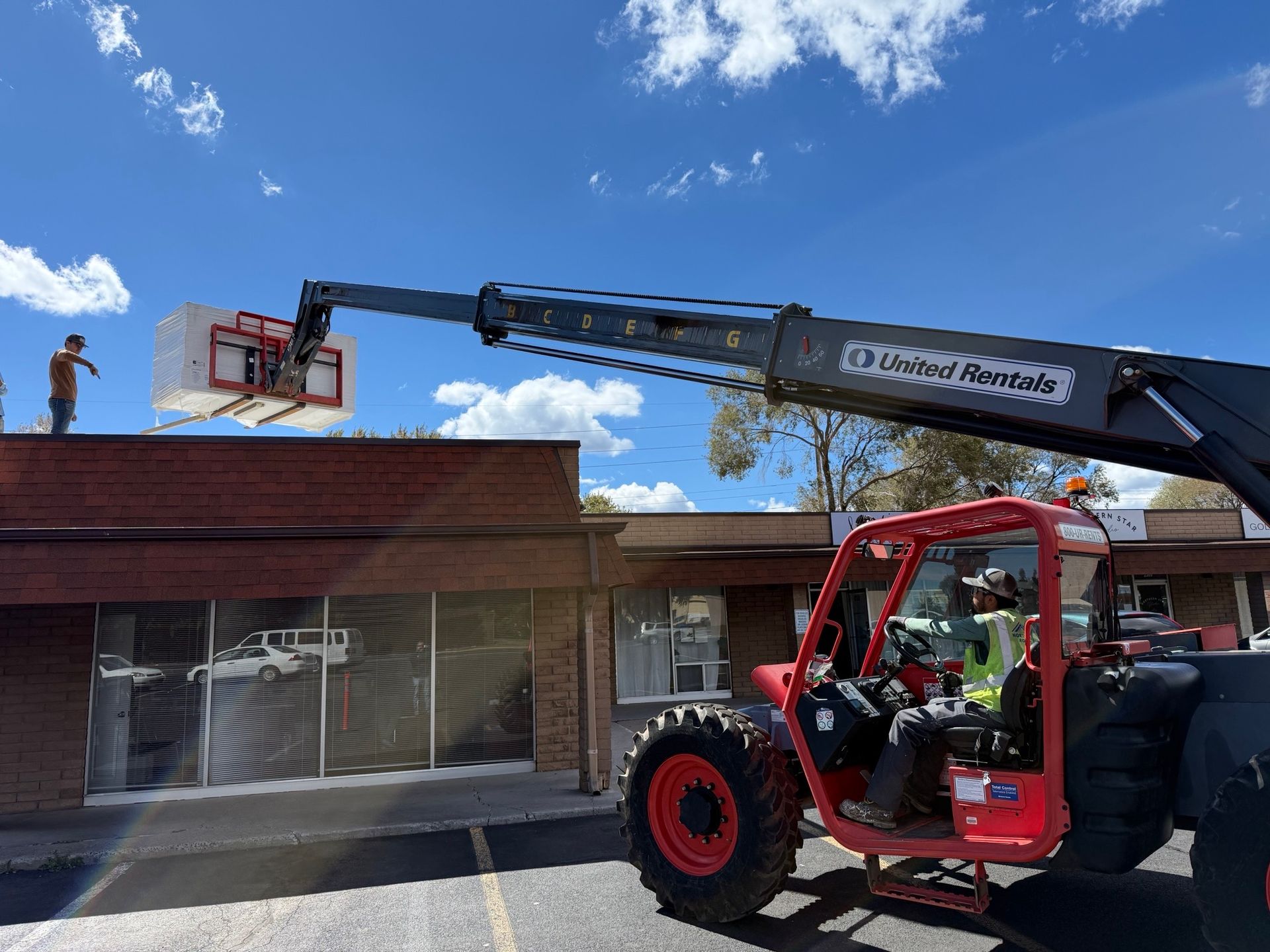
Now comes the real workout! Each sheet of plywood must be carried up ladders or lifted onto the roof
safely and efficiently.
- Roofing isn’t a flat, easy workspace — it’s steep, hot, and often windy.
- Workers use harnesses, ropes, and other safety gear to prevent injury.
- Getting the material where it needs to go takes time, strength, and teamwork.
🧰 Step 4: Measuring, Cutting, and Securing the Decking
No two roofs are alike. Each sheet of plywood has to be:
- Measured and cut precisely to fit irregular angles, ridges, and vents.
- Held in place (usually by two workers) while it’s secured.
- Nailed or screwed according to building code and manufacturer specifications.
Add in the cost of fasteners, saw blades, tools, safety equipment, and disposal
— and you start to see how much is involved beyond the raw material cost.
💡 The Bigger Picture: Value Beyond the Material
When you purchase plywood at a big-box store, you’re paying for just that — a product.
When a roofing company installs plywood, you’re paying for a complete professional service
that includes:
✅ Labor and skilled craftsmanship
✅ Transportation, equipment, and fuel
✅ Safety gear and liability insurance
✅ Disposal of old materials
✅ Warranty-backed workmanship
It’s not just plywood — it’s peace of mind
that your home is safe, secure, and built to last.
❤️ The Bottom Line
So, the next time you see the cost of plywood on a roofing estimate or invoice, remember — it’s not just about the wood. It’s about everything it takes to get that wood from the supplier to your roof, installed correctly, safely, and to code.
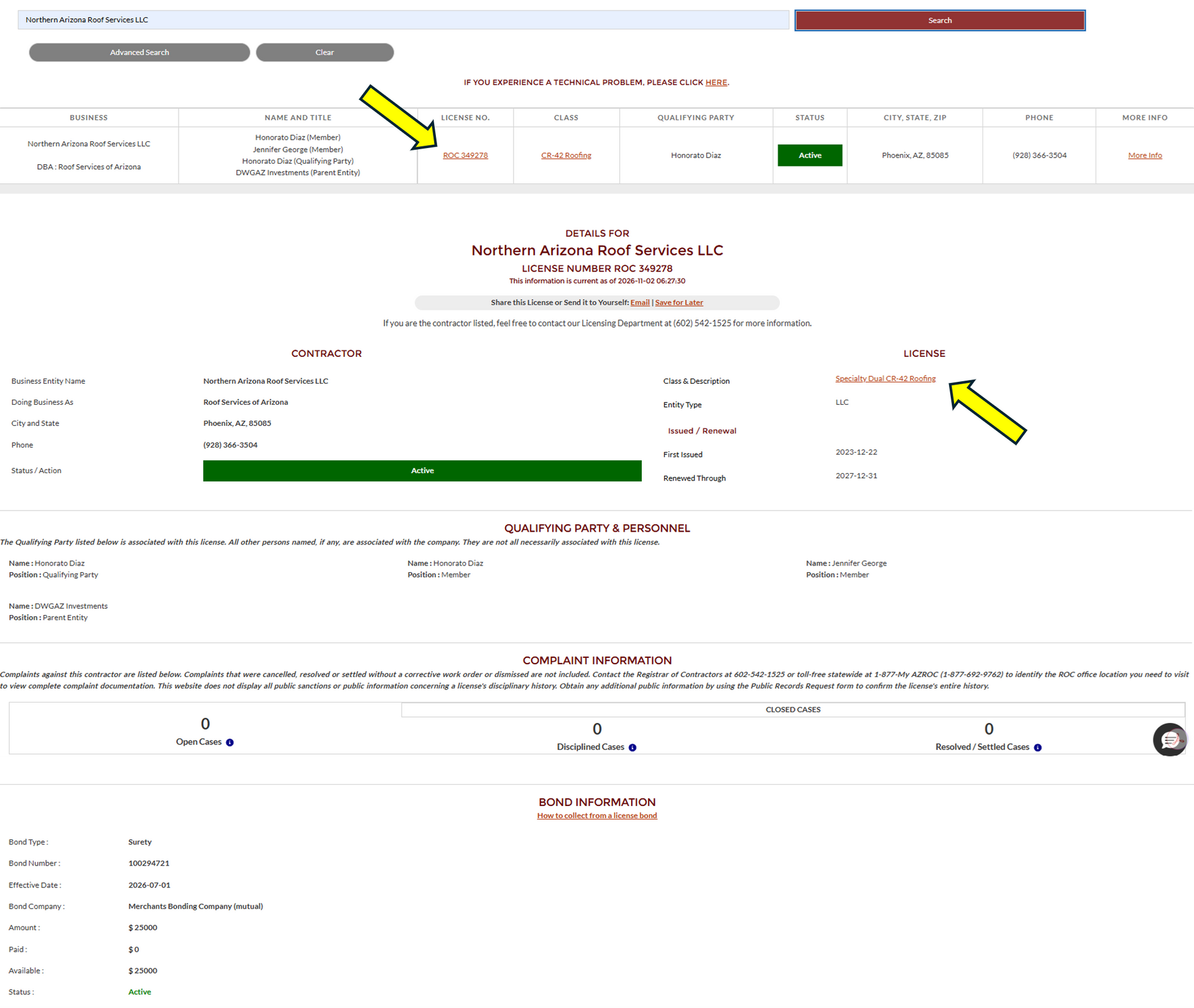
At Northern Arizona Roof Services, we take pride in being transparent and fair with our pricing because we want our customers to understand the full value behind every line item. When you work with us, you’re not just buying materials — you’re investing in craftsmanship, integrity, and protection for your home.
A Homeowner's Guide to Protecting Your Property, Your Investment, and Your Peace of Mind

When Storms Strike, Homeowners Need Solutions Not High-Pressure Sales Tactics, Misleading Promises, or Contracts that Leave Them Vulnerable.
Protect Your Building. Extend Your Roof's Life. Avoid Unexpected Expenses.
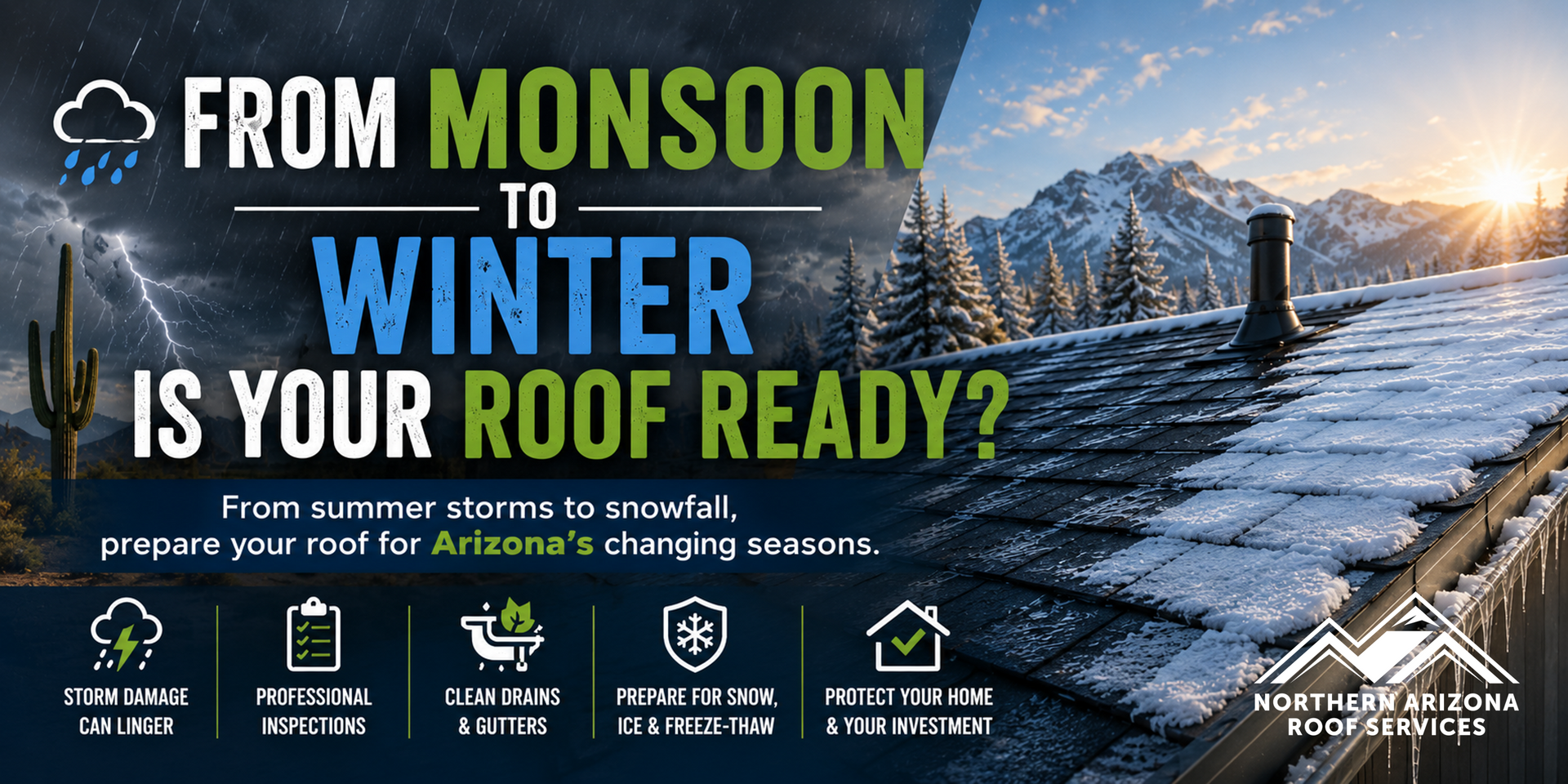
Prepare Your Roof for Northern Arizona’s Changing Seasons
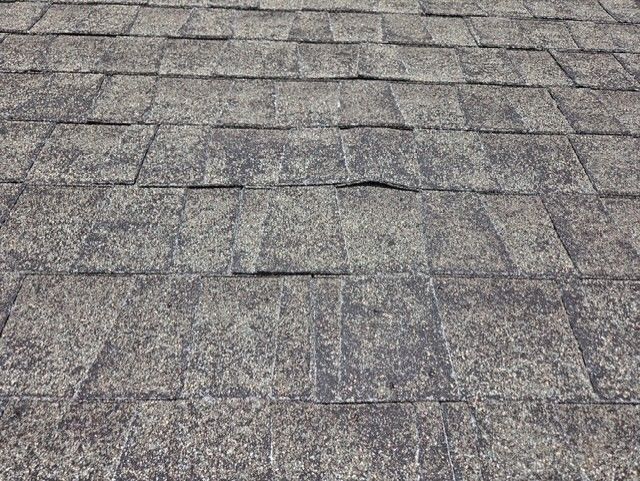
Know the warning signs of worn-out shingles before a small problem turns into a costly leak.
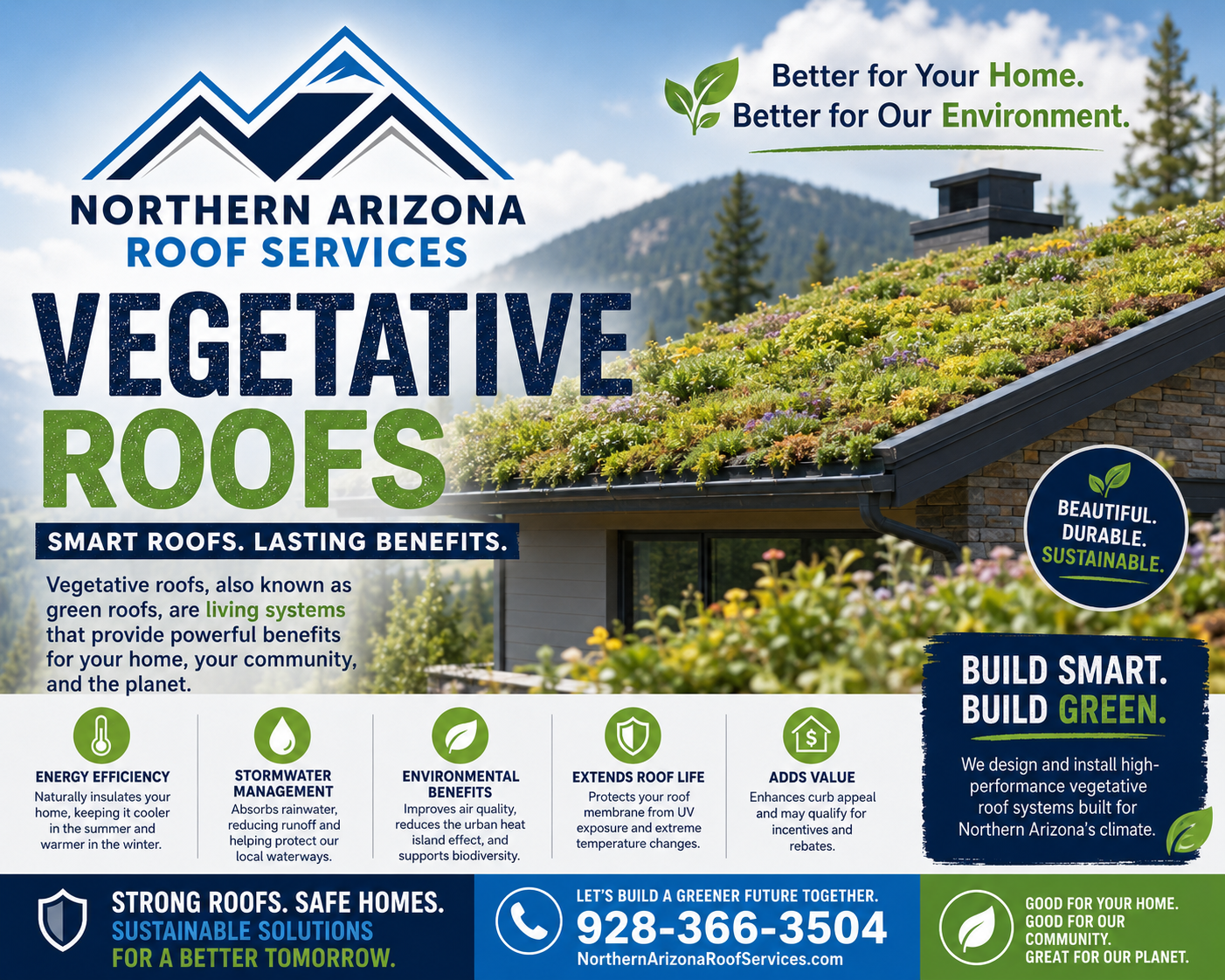
More than a roof...vegetative roofing systems help manage stormwater, improve energy efficiency, reduce urban heat, and create beautiful, functional spaces for people and nature.

From Dust Storms to Downpours: Preparing for Arizona's Most Unpredictable Weather

Protecting Your Home, Family, and Property During Arizona’s Growing Wildfire Threat

Jennifer George of Northern Arizona Roof Services Named Finalist
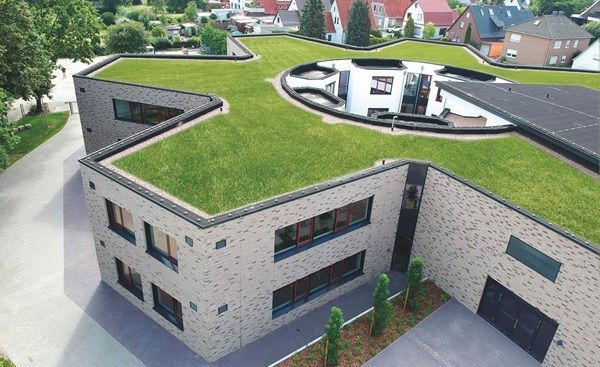
Earth Day is a great reminder that even the work happening above our heads can make a difference. Roofing plays a bigger role in sustainability than many people realize—from the materials used to how systems are maintained and even how they’re repurposed. Start with Smart Material Choices Eco-friendly roofing begins with selecting materials that are durable, recyclable, and energy-efficient. Cool roofing systems reflect sunlight and reduce heat absorption, lowering energy use and cooling costs Darker roofing materials in cooler climates can help absorb and retain heat, improving energy efficiency during colder months Recyclable materials like metal roofing and certain composites help reduce landfill waste Sustainable products offer longer lifespans, meaning fewer replacements over time The longer a roof lasts, the less waste it creates. Restore Instead of Replace One of the most impactful ways to be eco-friendly is choosing restoration when possible. Roof coatings (silicone, acrylic, elastomeric) can extend a roof’s life by 10–20 years Reduces tear-off waste Uses fewer new materials Restoration is both cost-effective and environmentally responsible. Reduce & Reuse Jobsite Materials Roofing projects don’t have to mean everything goes to the landfill. Recycle shingles, metal, and other materials whenever possible Minimize waste through careful tear-off practices Creative Reuse: From Roof to Home Design Materials like corrugated metal panels can be repurposed into unique interior features: Accent walls or ceilings Kitchen backsplashes Bar fronts or shelving Decorative outdoor elements Repurposing materials not only reduces waste but adds character and a story to your space. Rooftop Gardens: Function Meets Sustainability Green roofing is gaining popularity...and for good reason. Natural insulation: Rooftop gardens help regulate building temperature, keeping interiors cooler in the summer and warmer in the winter Energy savings: Reduced demand on HVAC systems Environmental benefits: Plants absorb carbon dioxide, improve air quality, and help manage stormwater runoff Aesthetic value: Creates usable green space in urban environments Rooftop gardens turn unused space into something functional, beautiful, and environmentally beneficial. Improve Energy Efficiency A well-designed roofing system directly impacts energy use. Proper insulation and ventilation reduce energy loss Reflective coatings lower heat gain Energy-efficient roofs reduce overall carbon footprint Maintain What You Have Sustainability isn’t just about installation, it’s about longevity. Regular inspections prevent major damage Maintenance extends the life of the roof Fewer replacements mean less waste Taking care of your roof is one of the easiest ways to be eco-friendly. Build with Responsibility An eco-conscious roofing company also focuses on how work is performed: Following environmental and safety standards Using efficient equipment and reducing unnecessary waste Educating customers on sustainable options The Bottom Line Eco-friendly roofing is about making smarter choices from installation to maintenance to reuse. By extending the life of materials, reducing waste, and exploring innovative options like rooftop gardens, roofing can play a meaningful role in protecting both your property and the environment. This Earth Day, think beyond the surface...your roof has more potential than you might expect. To learn more about eco-friendly roofing options, click the links below and visit our trusted partners, Brava , Carlisle and QXO .