Vegetative Roofs: Where Roofing Meets Sustainability

June 24, 2026

More than a roof...vegetative roofing systems help manage stormwater, improve energy efficiency, reduce urban heat, and create beautiful, functional spaces for people and nature.
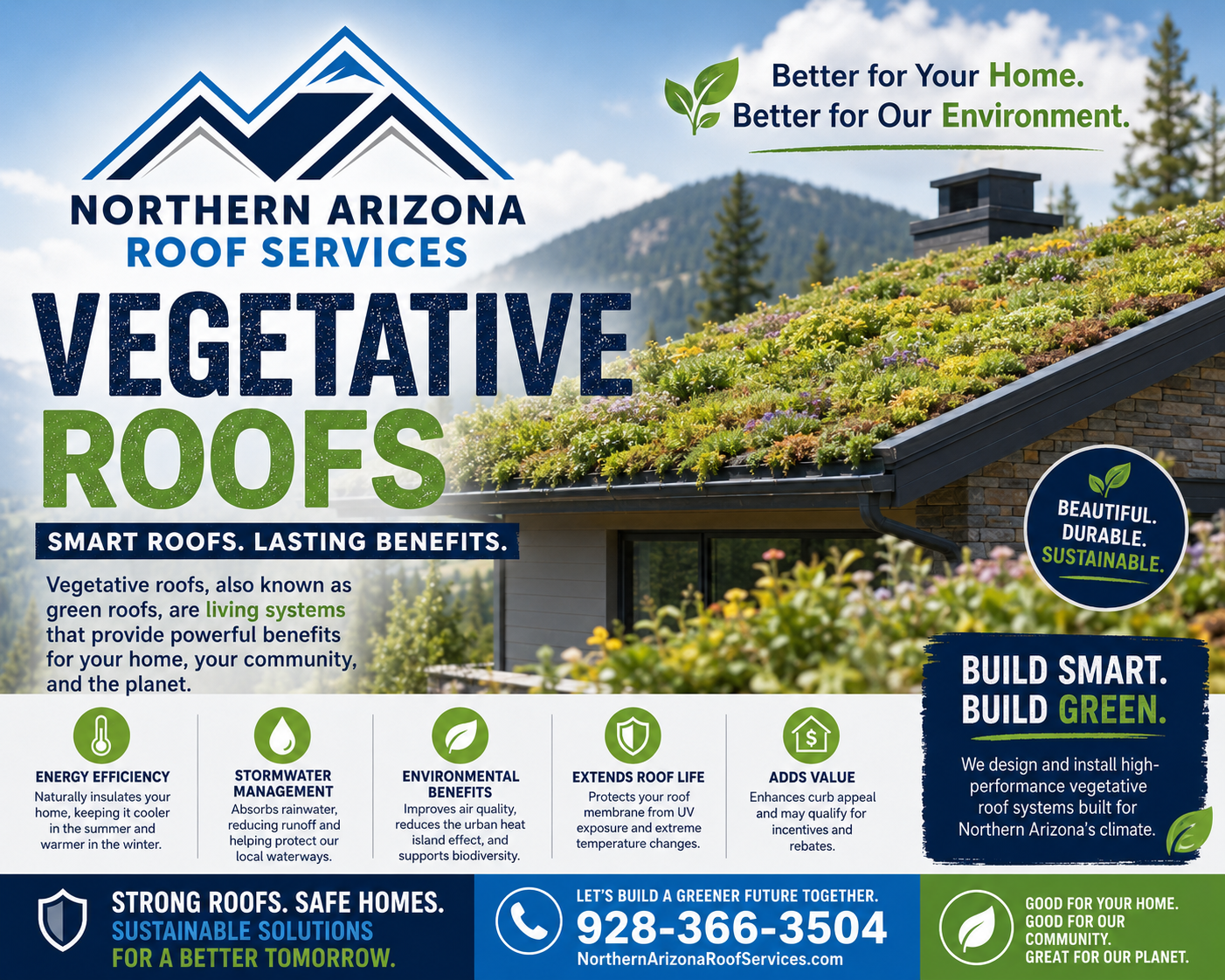
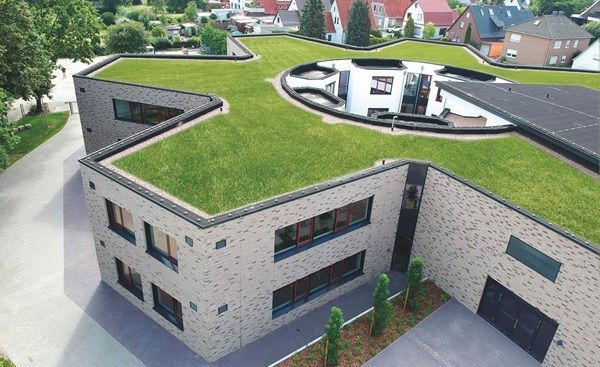
When most people think about a roof, they picture shingles, tile, or metal. But an increasing number of architects, municipalities, businesses, and property owners are looking upward in a different way with vegetative roofs, also known as green roofs or living roofs.


A vegetative roof is much more than an attractive rooftop garden. It is a carefully engineered roofing system that combines waterproofing, drainage, specialized growing media, and vegetation to create a functional landscape above a building. As communities continue to prioritize sustainability and resilience, vegetative roofs are becoming an innovative solution that delivers environmental, economic, and lifestyle benefits.


Managing Stormwater Naturally

One of the greatest advantages of a vegetative roof is its ability to manage stormwater. Instead of allowing rainwater to immediately rush into gutters and municipal storm drains, the vegetation and growing medium absorb and retain a significant portion of the rainfall.


This natural process slows runoff, reduces peak stormwater flow, and helps minimize the strain placed on city drainage systems during heavy storms. By filtering water before it leaves the roof, vegetative systems can also improve water quality while reducing erosion and localized flooding.


Helping Cities Stay Cooler

Cities are filled with asphalt, concrete, and dark rooftops that absorb and radiate heat, creating what is known as the urban heat island effect. Vegetative roofs help combat this by replacing heat-absorbing surfaces with living plants.


Plants cool the surrounding environment through shading and evapotranspiration, helping reduce rooftop temperatures, lower surrounding air temperatures, and decrease the amount of energy needed to cool buildings during hot summer months. In addition to lowering energy consumption, green roofs can also contribute to improved air quality and reduced greenhouse gas emissions.


More Than a Roof, A Usable Space

With thoughtful planning and design, a vegetative roof can become one of the most enjoyable spaces on a property.

Depending on the structure and intended use, green roofs can provide:

  • Outdoor gathering and relaxation areas
  • Employee break spaces
  • Rooftop patios
  • Community gardens
  • Outdoor classrooms
  • Wildlife habitat for birds and pollinators


Many commercial properties are transforming previously unused rooftops into beautiful, functional environments that improve both employee well-being and property value.


Did You Know? There Are Different Types of Green Roofs

Not all vegetative roofs are the same. They are generally classified by the depth of their growing medium and the types of plants they support.


Extensive Green Roofs

Extensive systems feature shallower soil depths and lightweight vegetation such as sedums, grasses, and drought-tolerant plants. These roofs require less maintenance and are commonly installed where public access is limited.


Intensive Green Roofs

Intensive systems utilize deeper growing media capable of supporting shrubs, flowers, small trees, lawns, and larger landscape features. Because of their increased soil depth, these roofs require greater structural support and maintenance but can function as fully accessible outdoor spaces.


The choice between an extensive or intensive system depends on the building's structural capacity, intended use, maintenance goals, and budget.


Green Roof Trends Are Growing

As sustainable construction continues to evolve, vegetative roofs are being used in exciting new ways across the world.

Some of today's most innovative applications include:

  • Educational rooftops where schools use gardens as interactive science and agriculture classrooms.
  • Urban farming, with restaurants and commercial buildings growing herbs, vegetables, and produce just steps away from their kitchens.
  • Healing gardens at hospitals and healthcare facilities, providing patients, families, and staff with calming outdoor environments that promote wellness and recovery.
  • Community gathering spaces that reconnect people with nature while maximizing valuable urban space.


Is a Vegetative Roof Right for Your Building?

While vegetative roofs offer numerous benefits, they require proper planning, engineering, and installation. Factors such as structural capacity, waterproofing, drainage, irrigation, plant selection, and ongoing maintenance all play an important role in long-term performance.


At Northern Arizona Roof Services, we understand that every roofing project is unique. Whether you're exploring sustainable roofing options for a commercial property, multifamily building, municipal facility, or custom home, we're happy to discuss whether a vegetative roofing system is the right fit for your project.


Interested in adding a vegetative roof to your property? Contact Northern Arizona Roof Services today. Our team can evaluate your building, discuss available system options, and help you explore innovative roofing solutions that are both beautiful and built to last.
November 2, 2026
A Homeowner's Guide to Protecting Your Property, Your Investment, and Your Peace of Mind
By Jennifer George • October 29, 2026
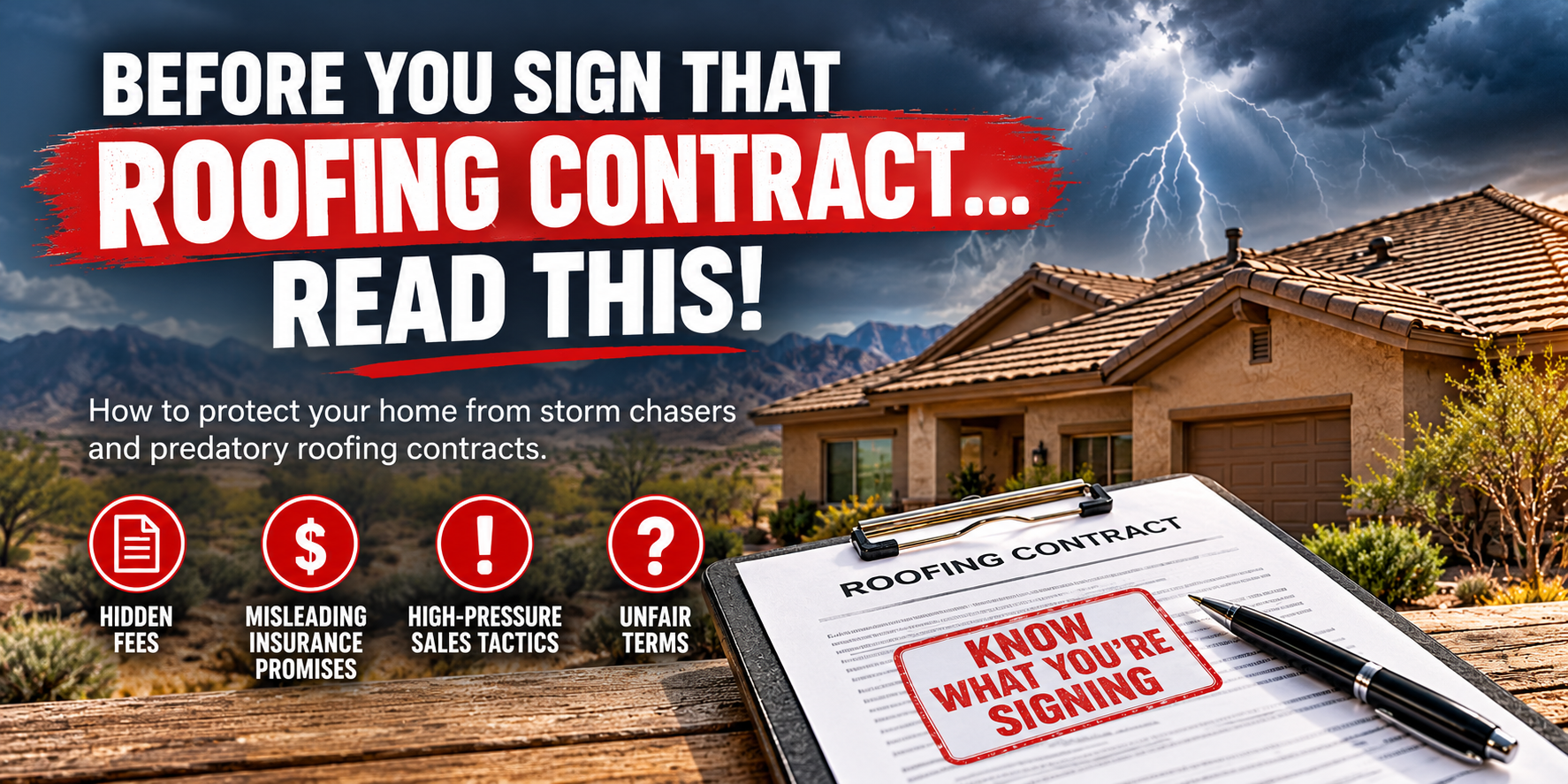
When Storms Strike, Homeowners Need Solutions Not High-Pressure Sales Tactics, Misleading Promises, or Contracts that Leave Them Vulnerable.
October 9, 2026
Protect Your Building. Extend Your Roof's Life. Avoid Unexpected Expenses.
August 18, 2026
Prepare Your Roof for Northern Arizona’s Changing Seasons
August 18, 2026
Know the warning signs of worn-out shingles before a small problem turns into a costly leak.
June 23, 2026
From Dust Storms to Downpours: Preparing for Arizona's Most Unpredictable Weather
May 26, 2026
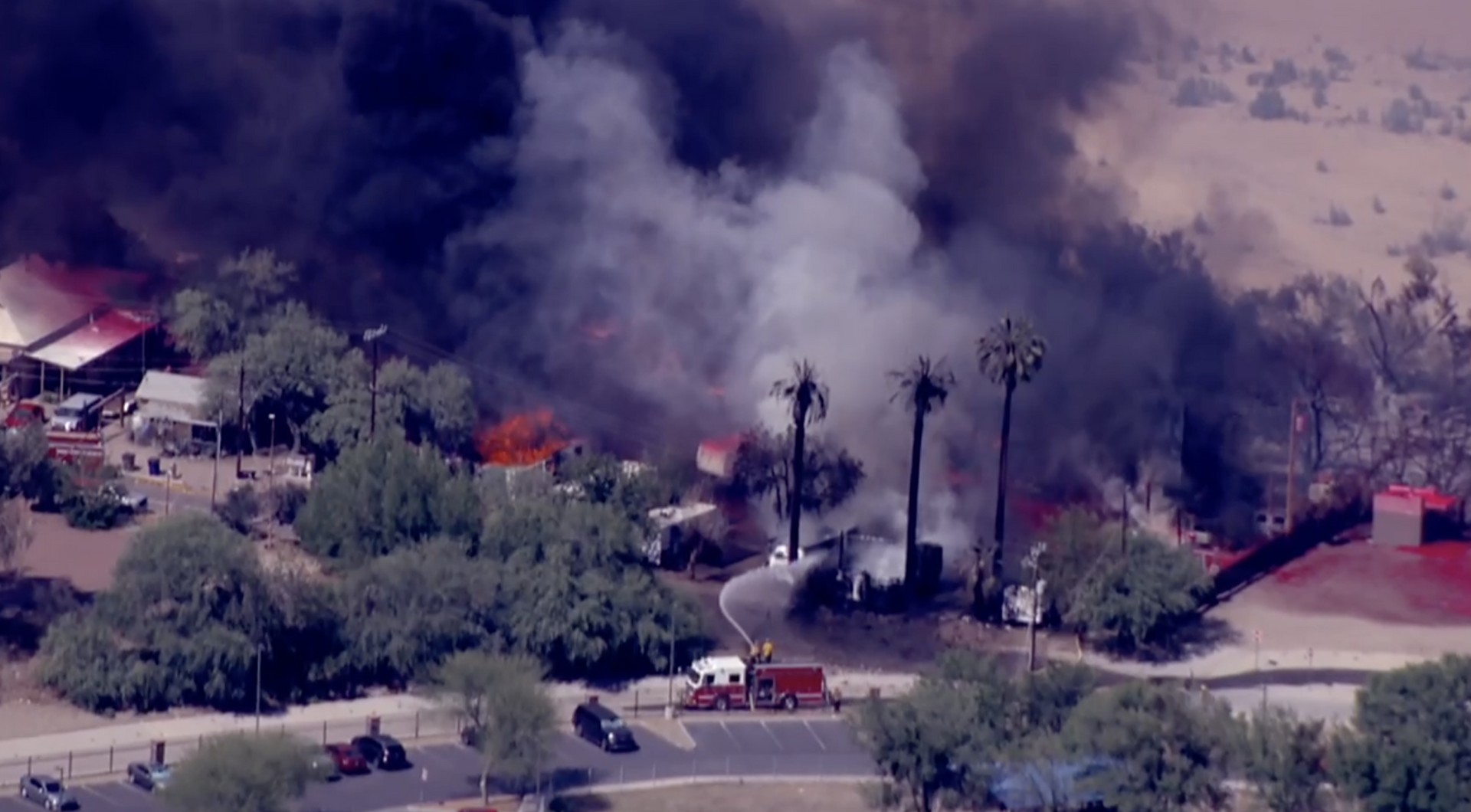
Protecting Your Home, Family, and Property During Arizona’s Growing Wildfire Threat
May 21, 2026
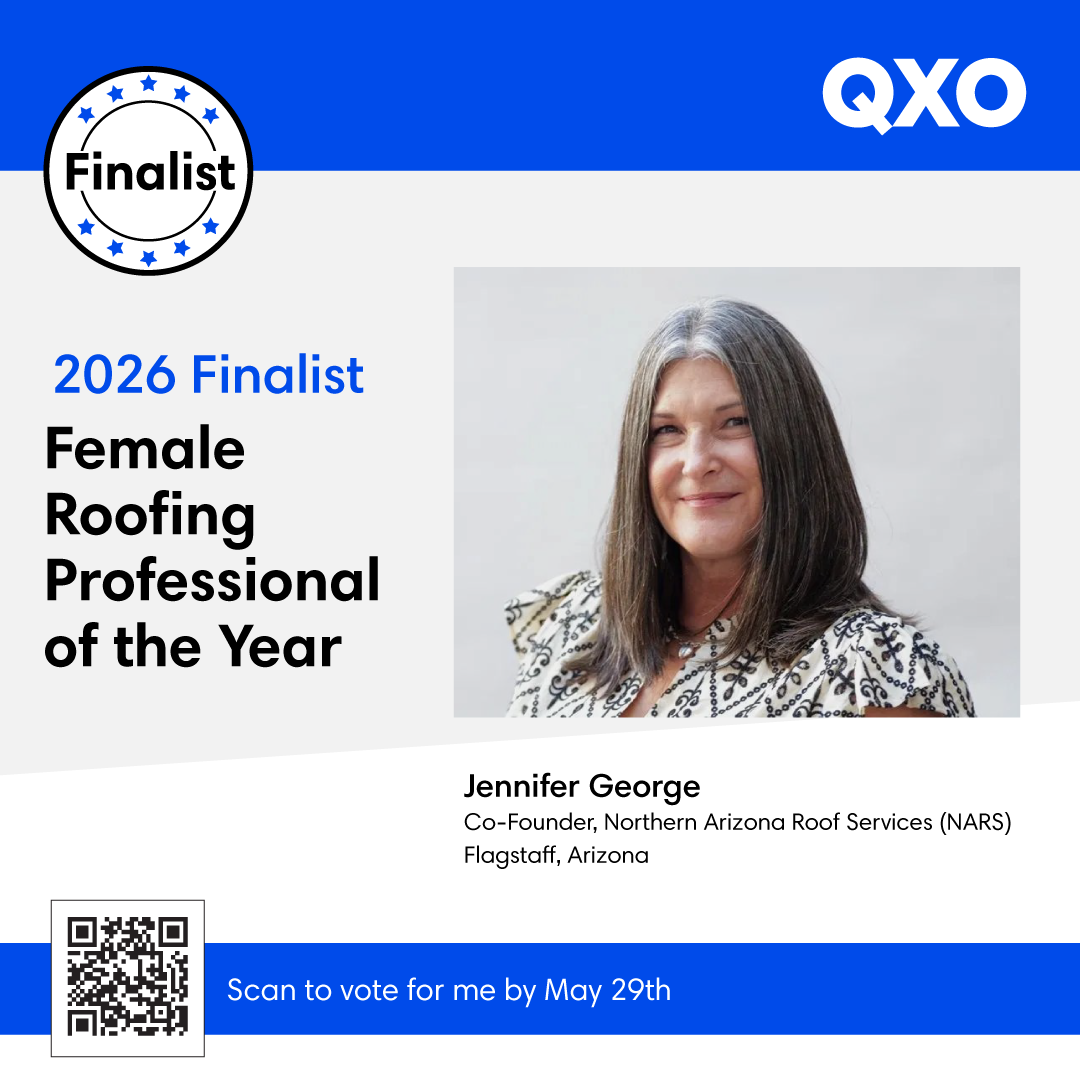
Jennifer George of Northern Arizona Roof Services Named Finalist
April 22, 2026
Earth Day is a great reminder that even the work happening above our heads can make a difference. Roofing plays a bigger role in sustainability than many people realize—from the materials used to how systems are maintained and even how they’re repurposed. Start with Smart Material Choices Eco-friendly roofing begins with selecting materials that are durable, recyclable, and energy-efficient. Cool roofing systems reflect sunlight and reduce heat absorption, lowering energy use and cooling costs Darker roofing materials in cooler climates can help absorb and retain heat, improving energy efficiency during colder months Recyclable materials like metal roofing and certain composites help reduce landfill waste Sustainable products offer longer lifespans, meaning fewer replacements over time The longer a roof lasts, the less waste it creates. Restore Instead of Replace One of the most impactful ways to be eco-friendly is choosing restoration when possible. Roof coatings (silicone, acrylic, elastomeric) can extend a roof’s life by 10–20 years Reduces tear-off waste Uses fewer new materials Restoration is both cost-effective and environmentally responsible. Reduce & Reuse Jobsite Materials Roofing projects don’t have to mean everything goes to the landfill. Recycle shingles, metal, and other materials whenever possible Minimize waste through careful tear-off practices Creative Reuse: From Roof to Home Design Materials like corrugated metal panels can be repurposed into unique interior features: Accent walls or ceilings Kitchen backsplashes Bar fronts or shelving Decorative outdoor elements Repurposing materials not only reduces waste but adds character and a story to your space. Rooftop Gardens: Function Meets Sustainability Green roofing is gaining popularity...and for good reason. Natural insulation: Rooftop gardens help regulate building temperature, keeping interiors cooler in the summer and warmer in the winter Energy savings: Reduced demand on HVAC systems Environmental benefits: Plants absorb carbon dioxide, improve air quality, and help manage stormwater runoff Aesthetic value: Creates usable green space in urban environments Rooftop gardens turn unused space into something functional, beautiful, and environmentally beneficial. Improve Energy Efficiency A well-designed roofing system directly impacts energy use. Proper insulation and ventilation reduce energy loss Reflective coatings lower heat gain Energy-efficient roofs reduce overall carbon footprint Maintain What You Have Sustainability isn’t just about installation, it’s about longevity. Regular inspections prevent major damage Maintenance extends the life of the roof Fewer replacements mean less waste Taking care of your roof is one of the easiest ways to be eco-friendly. Build with Responsibility An eco-conscious roofing company also focuses on how work is performed: Following environmental and safety standards Using efficient equipment and reducing unnecessary waste Educating customers on sustainable options The Bottom Line Eco-friendly roofing is about making smarter choices from installation to maintenance to reuse. By extending the life of materials, reducing waste, and exploring innovative options like rooftop gardens, roofing can play a meaningful role in protecting both your property and the environment. This Earth Day, think beyond the surface...your roof has more potential than you might expect. To learn more about eco-friendly roofing options, click the links below and visit our trusted partners, Brava , Carlisle and QXO .
By Jennifer George • April 9, 2026
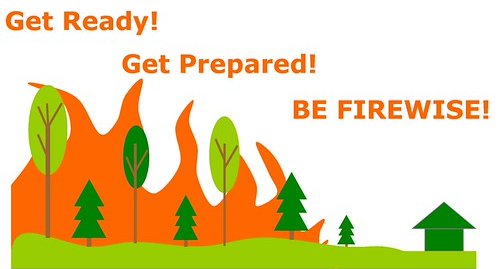
Wildfire season in Arizona looks a little different depending on where you live—but one thing remains the same: preparation is key. From the pine-filled neighborhoods of Northern Arizona to the desert landscapes of Phoenix and surrounding areas, homeowners can take simple, proactive steps to reduce risk and better protect their homes. 🌲 High Country vs. Desert...Different Landscapes, Same Responsibility In the high country, wildfire risk is often driven by dense vegetation, pine needles, and forest proximity. Roofs, gutters, and valleys can easily collect debris that becomes fuel for embers. In the desert, the risk may not seem as obvious—but dry brush, wind-driven embers, and extreme heat can still create dangerous conditions. Flat roofs, foam systems, and rooftop equipment can all be vulnerable if not properly maintained. No matter where you are, wind can carry embers over long distances—meaning your home doesn’t have to be near an active fire to be at risk. Why Your Roof Plays a Critical Role Your roof is one of the most important lines of defense during wildfire season. Common vulnerabilities we see include: Dry leaves and pine needles collecting in valleys and around penetrations Unsealed vents or gaps where embers can enter Aging or deteriorated materials that ignite more easily Debris buildup behind parapet walls on flat roofs A well-maintained roof can significantly reduce the chance of ignition from airborne embers. Simple Steps to Be Fire Wise Taking a few preventative measures now can go a long way: Clear debris from roofs, gutters, and around rooftop equipment Inspect and seal vents, flashing, and penetrations Trim back vegetation and maintain defensible space around your home Check roofing materials for wear, cracks, or exposed areas Schedule a professional inspection to identify hidden vulnerabilities Think of it like routine maintenance, small fixes today can prevent major damage tomorrow. Your Firewise Checklist To help you stay prepared, we’ve created a simple, easy-to-follow checklist you can use throughout the season: 👉 Download Your Firewise Roof & Property Checklist Here The Bottom Line Wildfire preparedness isn’t just for one type of home or one region—it’s something every Arizona homeowner should take seriously. Whether you’re surrounded by pines or desert landscape, being Fire Wise starts with awareness and action. If you’re unsure where your roof stands, Northern Arizona Roof Services is here to help with no-cost, no-obligation inspections and guidance tailored to your property. 📞 928-366-3504 | 602-725-7949 🌐 www.northernarizonaroofservices.com Stay safe, stay prepared — and let’s protect what matters most. 🔥🏡