
How to Choose the Right Roofing Contractor in the Verde Valley: Tips for Vetting Roofers and Avoiding Pitfalls
websitebuilder • January 24, 2025
Finding the Perfect Roofer: Protect Your Investment with Confidence

Your roof is one of the most important investments you’ll make for your home or business. Whether you’re dealing with storm damage, needing a routine repair, or planning a full replacement, choosing the right roofing contractor is crucial. In the Verde Valley, where unique weather patterns and local building styles come into play, it’s even more essential to find a roofer who knows the area and can deliver high-quality results. Here are practical tips to help you vet contractors and avoid common pitfalls.
1. Look for Expertise
Verde Valley’s climate presents unique challenges, from monsoon storms to intense sun exposure. A contractor with experience in the area will understand how these factors affect your roof and will be familiar with the materials and techniques best suited to the region. Additionally, experienced contractors are more likely to be up-to-date with county and city building codes, ensuring your project meets all regulations.
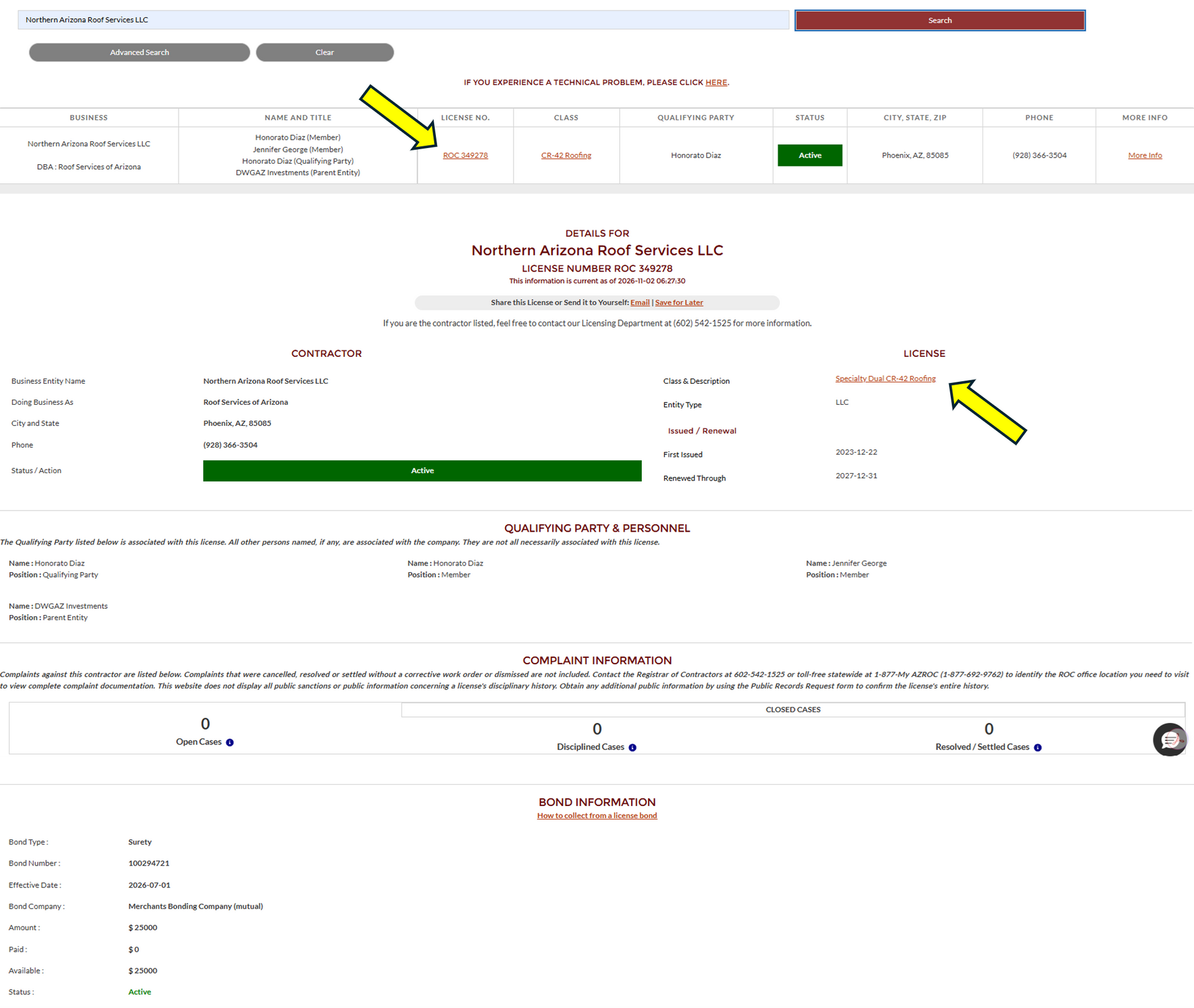
2. Verify Licensing and Insurance
A reputable roofing contractor must be licensed to operate in Arizona and carry adequate insurance. This includes both liability insurance and workers’ compensation. These protections safeguard you from being held financially responsible for accidents or damage during the project.
Ask for:
- The contractor’s license number (you can verify it on the Arizona Registrar of Contractors’ website).
- Proof of insurance, including policy details.
3. Check Their Reputation
Research is key when hiring a roofing contractor. Online reviews, testimonials, and references from past customers can provide valuable insight into a contractor’s reliability and quality of work. Check platforms like Google, Yelp, and the Better Business Bureau (BBB).
Questions to ask references:
- Were you satisfied with the quality of work?
- Was the project completed on time and within budget?
- Did the contractor communicate effectively throughout the process?
4. Ask About Experience and Specializations
Not all roofing contractors are created equal. Some may specialize in residential roofing, while others are more experienced with commercial projects. Ask about their specific experience with the type of roofing you need, whether it’s asphalt shingles, metal roofing, tile, or flat roofs.
Pro Tip: Contractors with certifications from major roofing manufacturers often have additional training and can offer enhanced warranties.
5. Get Multiple Estimates
It’s always a good idea to get at least three written estimates for your roofing project. This allows you to compare pricing, timelines, and the scope of work. Be wary of any estimate that seems unusually low; it could be a red flag for subpar materials or workmanship.
Key details to confirm in the estimate:
- Total cost (including materials and labor)
- Timeline for completion
- Warranty details
- Payment terms
6. Ask About Warranties
A trustworthy roofing contractor will stand behind their work. Ask about the warranties they offer for both materials and workmanship. Make sure you understand what the warranty covers and how long it lasts.
Pro Tip: Some manufacturer warranties may require installation by approved contractors to remain valid.
7. Avoid High-Pressure Sales Tactics
Beware of contractors who push you to sign a contract on the spot or pressure you into unnecessary upgrades. A reputable roofer will give you time to consider your options and won’t rush you into making a decision.
8. Look for Red Flags
While most roofing contractors are honest and professional, it’s important to watch out for warning signs of potential scams or poor-quality work.
Common red flags include:
- Lack of proper licensing or insurance
- No physical business address
- Refusal to provide references or detailed estimates
- Requests for full payment upfront (a deposit is standard, but full payment should only occur after the work is completed to your satisfaction).
9. Choose a Contractor Who Communicates Clearly
Good communication is essential for a successful roofing project. Your contractor should be willing to answer your questions, explain the process, and keep you updated throughout the project. If they’re hard to reach or dismissive of your concerns, consider it a red flag.
Conclusion
Choosing the right roofing contractor in the Verde Valley doesn’t have to be overwhelming. By taking the time to research, ask questions, and verify credentials, you can ensure your roof is in good hands. Your roof is a long-term investment, so partnering with a trusted professional will help protect your home or business for years to come.
Need help with your roofing project in the Verde Valley? Contact Northern Arizona Roof Services today for a free estimate and expert advice. We’re committed to quality, transparency, and exceptional service. Give us a call at 928-600-4455 or visit www.northernarizonaroofservices.com to learn more!
A Homeowner's Guide to Protecting Your Property, Your Investment, and Your Peace of Mind
When Storms Strike, Homeowners Need Solutions Not High-Pressure Sales Tactics, Misleading Promises, or Contracts that Leave Them Vulnerable.
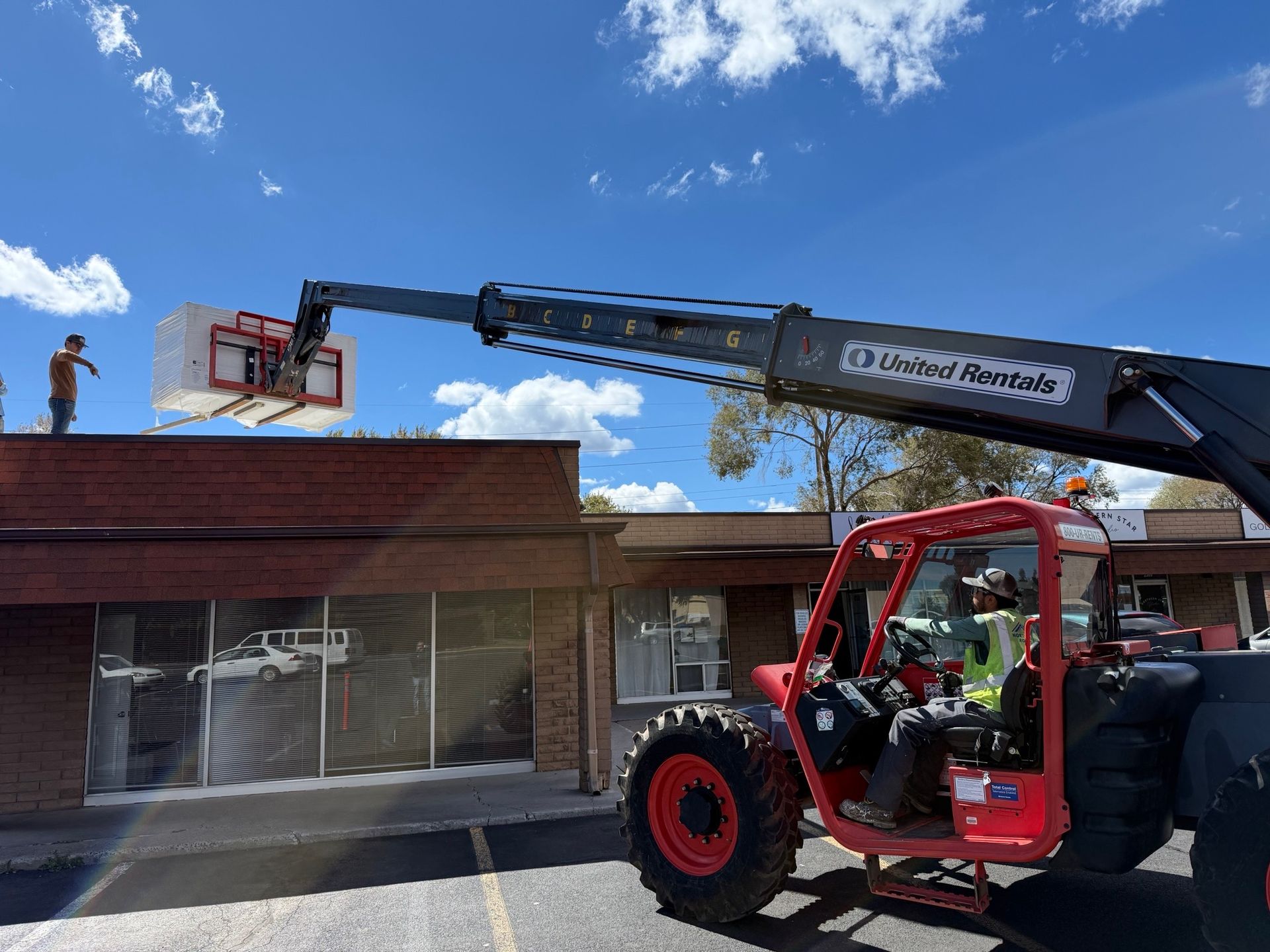
Protect Your Building. Extend Your Roof's Life. Avoid Unexpected Expenses.
Prepare Your Roof for Northern Arizona’s Changing Seasons
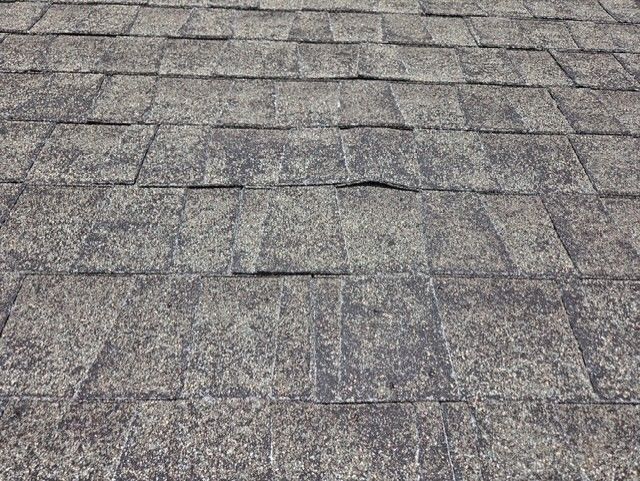
Know the warning signs of worn-out shingles before a small problem turns into a costly leak.
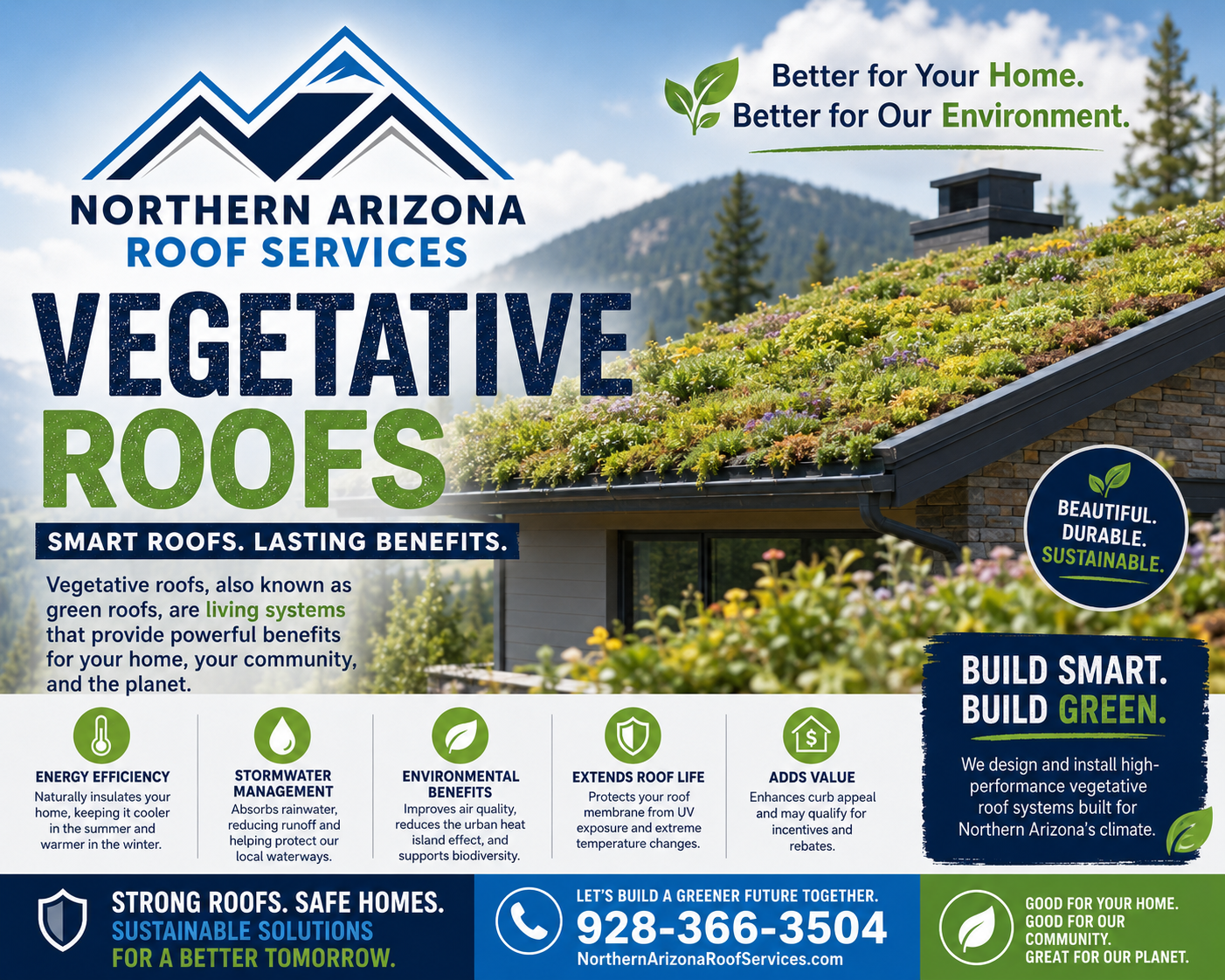
More than a roof...vegetative roofing systems help manage stormwater, improve energy efficiency, reduce urban heat, and create beautiful, functional spaces for people and nature.
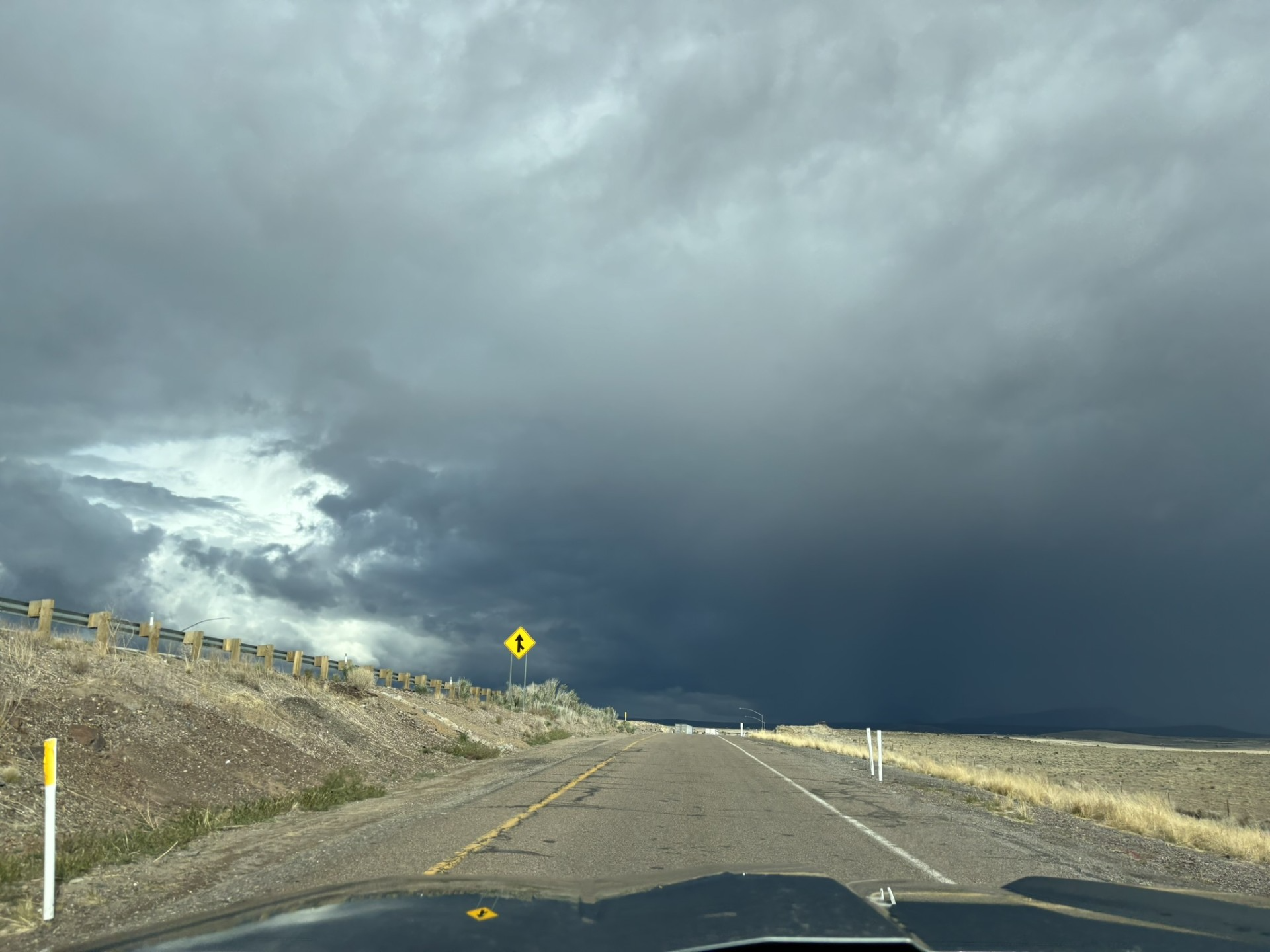
From Dust Storms to Downpours: Preparing for Arizona's Most Unpredictable Weather
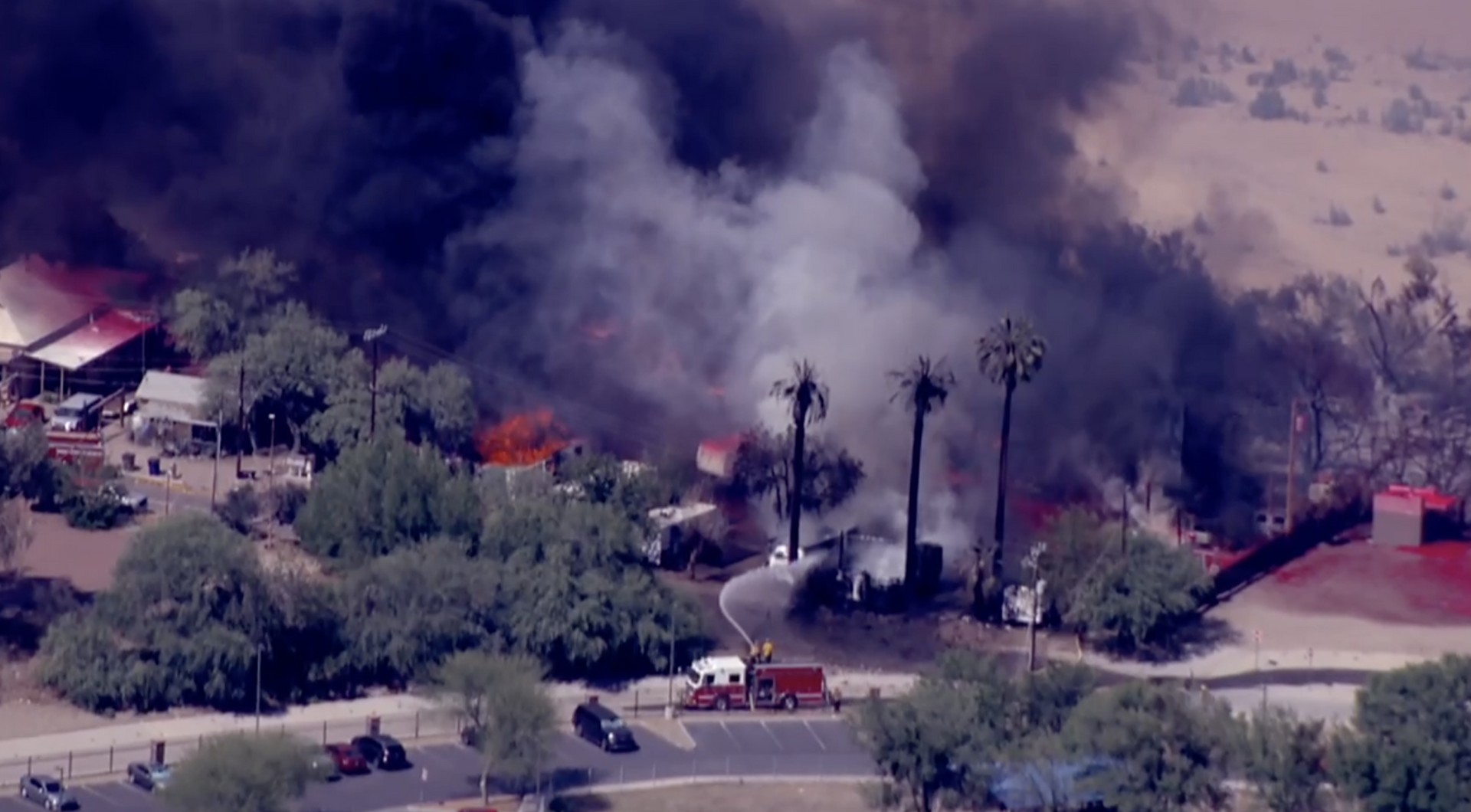
Protecting Your Home, Family, and Property During Arizona’s Growing Wildfire Threat
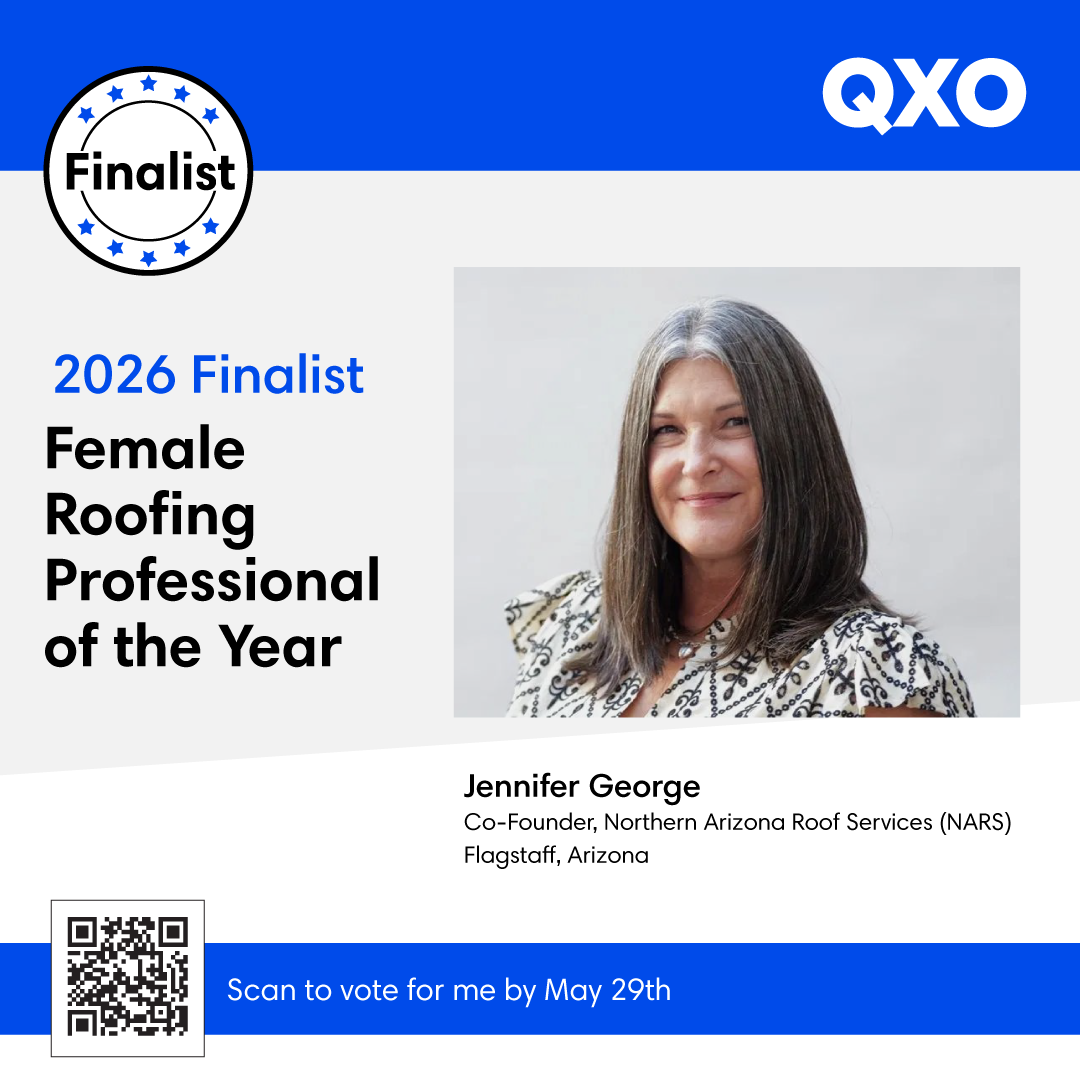
Jennifer George of Northern Arizona Roof Services Named Finalist
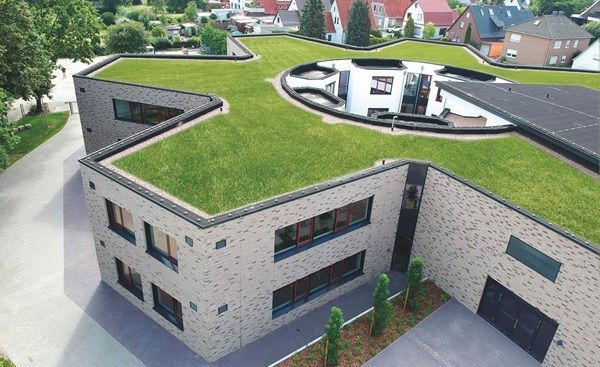
Earth Day is a great reminder that even the work happening above our heads can make a difference. Roofing plays a bigger role in sustainability than many people realize—from the materials used to how systems are maintained and even how they’re repurposed. Start with Smart Material Choices Eco-friendly roofing begins with selecting materials that are durable, recyclable, and energy-efficient. Cool roofing systems reflect sunlight and reduce heat absorption, lowering energy use and cooling costs Darker roofing materials in cooler climates can help absorb and retain heat, improving energy efficiency during colder months Recyclable materials like metal roofing and certain composites help reduce landfill waste Sustainable products offer longer lifespans, meaning fewer replacements over time The longer a roof lasts, the less waste it creates. Restore Instead of Replace One of the most impactful ways to be eco-friendly is choosing restoration when possible. Roof coatings (silicone, acrylic, elastomeric) can extend a roof’s life by 10–20 years Reduces tear-off waste Uses fewer new materials Restoration is both cost-effective and environmentally responsible. Reduce & Reuse Jobsite Materials Roofing projects don’t have to mean everything goes to the landfill. Recycle shingles, metal, and other materials whenever possible Minimize waste through careful tear-off practices Creative Reuse: From Roof to Home Design Materials like corrugated metal panels can be repurposed into unique interior features: Accent walls or ceilings Kitchen backsplashes Bar fronts or shelving Decorative outdoor elements Repurposing materials not only reduces waste but adds character and a story to your space. Rooftop Gardens: Function Meets Sustainability Green roofing is gaining popularity...and for good reason. Natural insulation: Rooftop gardens help regulate building temperature, keeping interiors cooler in the summer and warmer in the winter Energy savings: Reduced demand on HVAC systems Environmental benefits: Plants absorb carbon dioxide, improve air quality, and help manage stormwater runoff Aesthetic value: Creates usable green space in urban environments Rooftop gardens turn unused space into something functional, beautiful, and environmentally beneficial. Improve Energy Efficiency A well-designed roofing system directly impacts energy use. Proper insulation and ventilation reduce energy loss Reflective coatings lower heat gain Energy-efficient roofs reduce overall carbon footprint Maintain What You Have Sustainability isn’t just about installation, it’s about longevity. Regular inspections prevent major damage Maintenance extends the life of the roof Fewer replacements mean less waste Taking care of your roof is one of the easiest ways to be eco-friendly. Build with Responsibility An eco-conscious roofing company also focuses on how work is performed: Following environmental and safety standards Using efficient equipment and reducing unnecessary waste Educating customers on sustainable options The Bottom Line Eco-friendly roofing is about making smarter choices from installation to maintenance to reuse. By extending the life of materials, reducing waste, and exploring innovative options like rooftop gardens, roofing can play a meaningful role in protecting both your property and the environment. This Earth Day, think beyond the surface...your roof has more potential than you might expect. To learn more about eco-friendly roofing options, click the links below and visit our trusted partners, Brava , Carlisle and QXO .