
Choosing the Right Roofing Materials: Key Factors to Consider
websitebuilder • April 30, 2025
Key Considerations for Selecting the Perfect Roofing Materials
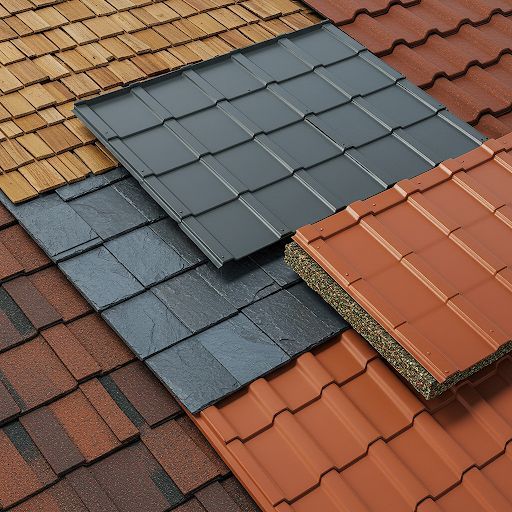
Selecting the appropriate roofing materials is crucial for ensuring the longevity, functionality, and aesthetic appeal of your roof. With various options available, it’s important to consider several factors to make an informed decision that suits your needs and preferences. Here’s a guide to help you choose the best roofing materials for your home.
1. Climate and Weather Conditions
Your local climate plays a significant role in determining the most suitable roofing materials. In areas with heavy rainfall or snow, materials that offer excellent water resistance and insulation are essential. Conversely, in regions with high temperatures and strong sun exposure, roofing materials that reflect heat and provide adequate ventilation can help keep your home cooler and reduce energy costs.
2. Cost and Budget
Budget constraints are an important consideration when selecting roofing materials. While higher-end materials may offer better durability and performance, they also come with a higher price tag. Consider both the initial cost of materials and the long-term value, including potential savings on maintenance and energy bills. It's important to find a balance between cost and quality to ensure you get the best value for your investment.
3. Aesthetic Appeal
The appearance of your roof can significantly impact your home's curb appeal. Roofing materials come in various styles, colors, and textures, allowing you to choose an option that complements the architectural style of your home and your personal taste. Whether you prefer the classic look of asphalt shingles or the distinctive appearance of metal roofing, consider how the material will enhance the overall look of your property.
4. Durability and Longevity
Different roofing materials vary in their durability and lifespan. For instance, asphalt shingles generally last 15-30 years, while metal roofs can last 40-70 years or more. Consider the typical lifespan of the materials you’re evaluating and how well they withstand environmental factors such as wind, rain, and UV exposure. Investing in durable materials can reduce the frequency of replacements and repairs.
5. Maintenance
Maintenance requirements differ among roofing materials. Some materials, like asphalt shingles, require regular inspections and occasional repairs, while others, such as metal or clay tiles, often need less upkeep. Evaluate the maintenance demands of each material and choose one that fits your ability and willingness to perform regular upkeep.
6. Environmental Impact
Consider the environmental impact of the roofing materials you choose. Many homeowners are increasingly interested in sustainable and eco-friendly options. Look for materials that are recyclable, have energy-efficient properties, or are produced using environmentally responsible methods. Options like metal roofing, rubber tiles, and certain types of asphalt shingles offer benefits in terms of sustainability and energy efficiency.
By carefully evaluating these factors, you can select roofing materials that meet your needs, fit your budget, and enhance the overall performance and appearance of your roof. If you need help choosing the right roofing materials for your home or have any questions, feel free to contact us for expert advice and assistance.

A Homeowner's Guide to Protecting Your Property, Your Investment, and Your Peace of Mind
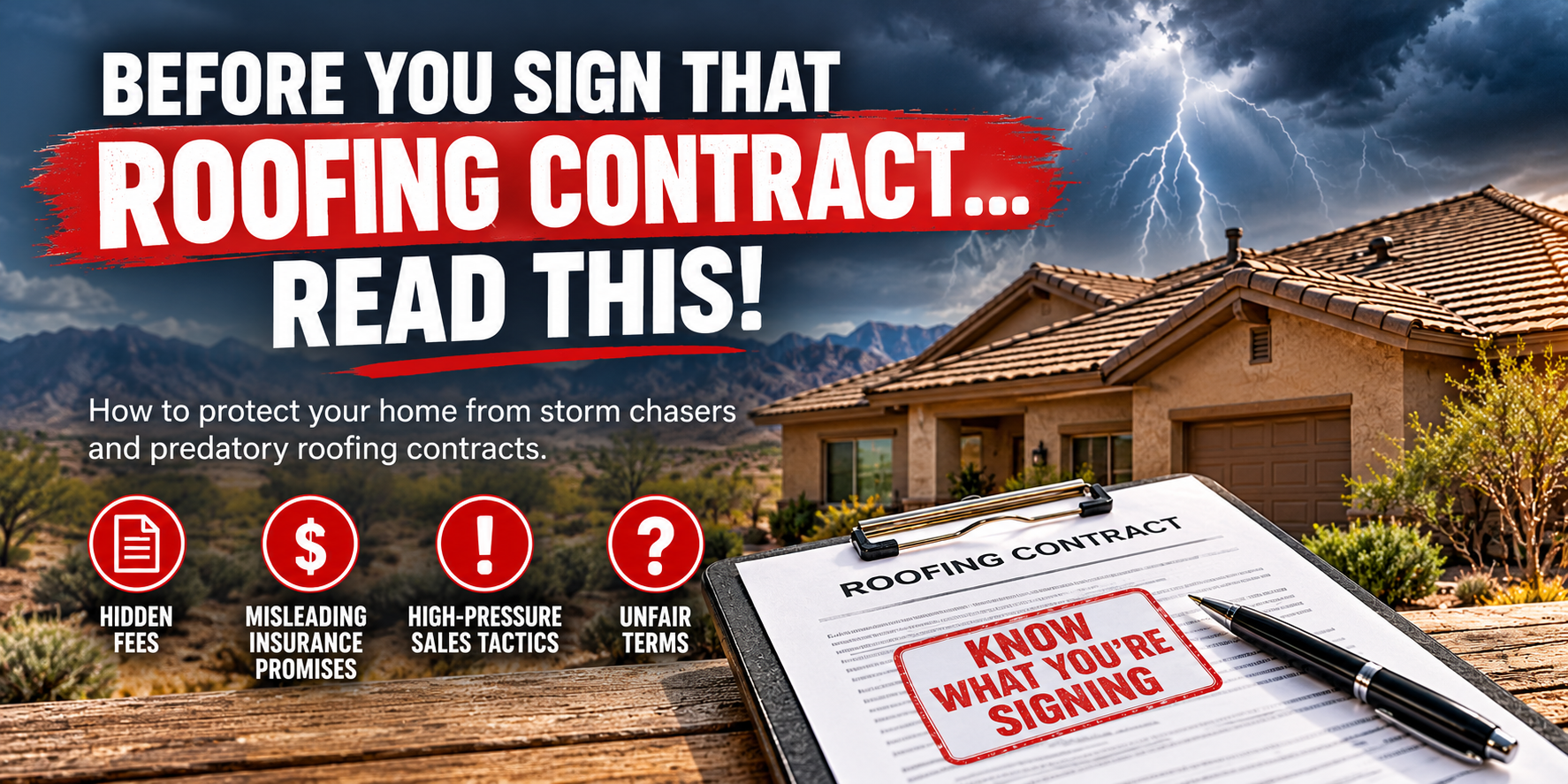
When Storms Strike, Homeowners Need Solutions Not High-Pressure Sales Tactics, Misleading Promises, or Contracts that Leave Them Vulnerable.
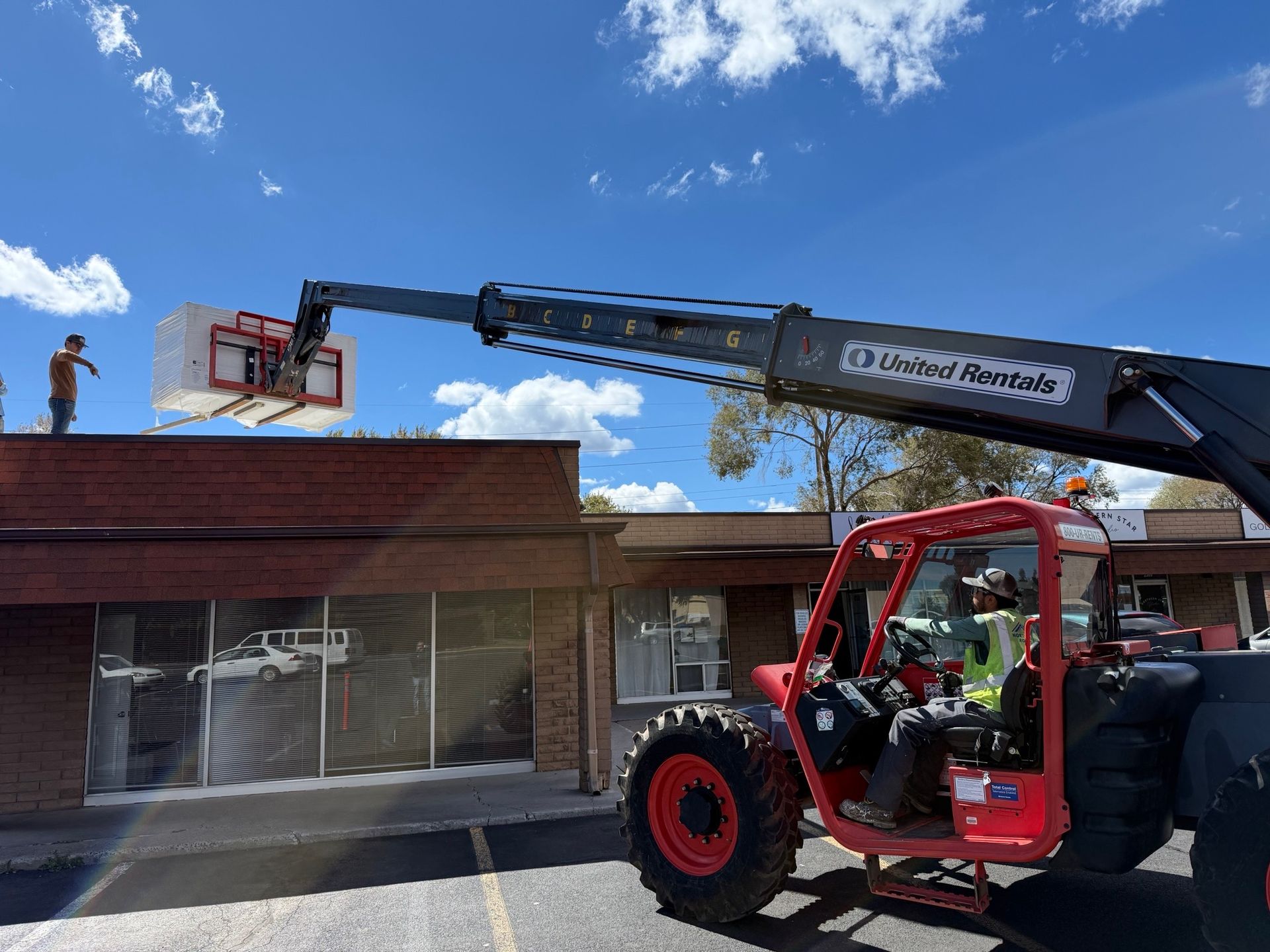
Protect Your Building. Extend Your Roof's Life. Avoid Unexpected Expenses.
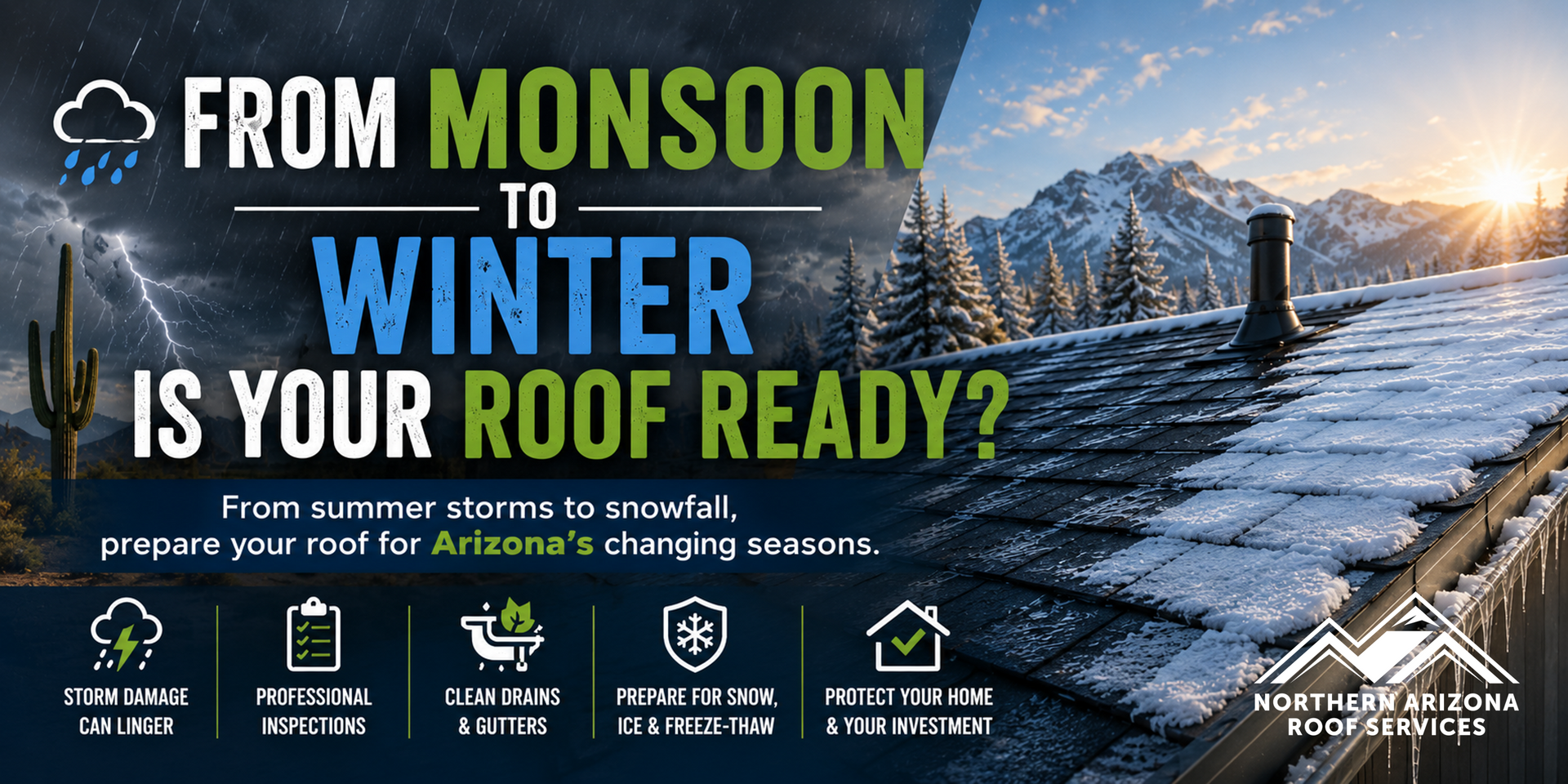
Prepare Your Roof for Northern Arizona’s Changing Seasons
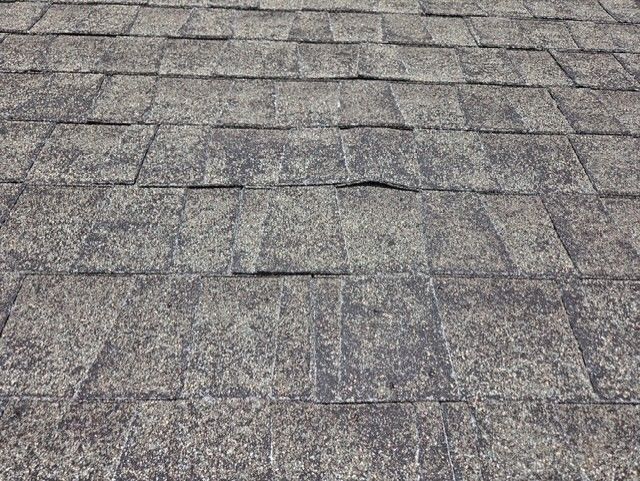
Know the warning signs of worn-out shingles before a small problem turns into a costly leak.
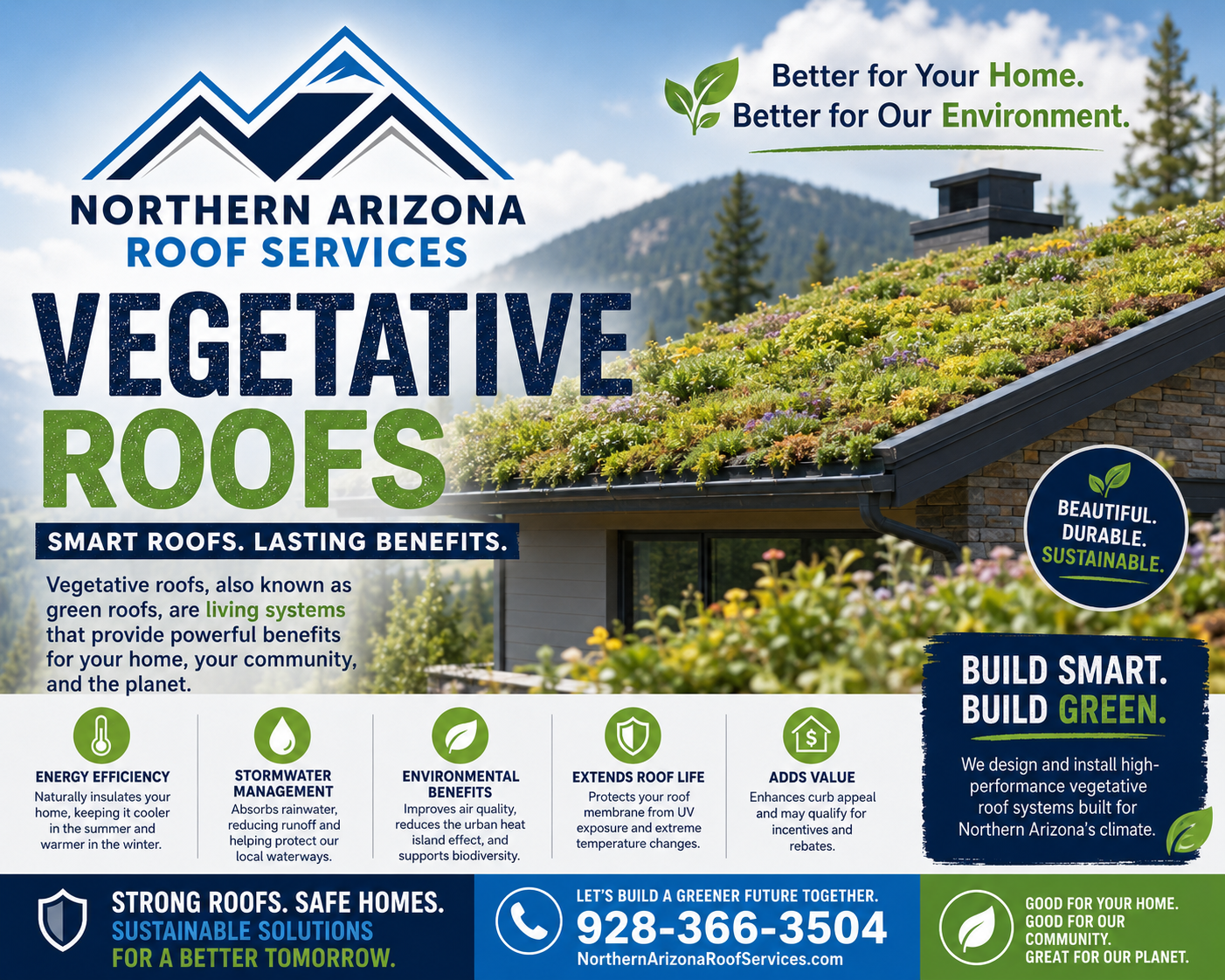
More than a roof...vegetative roofing systems help manage stormwater, improve energy efficiency, reduce urban heat, and create beautiful, functional spaces for people and nature.

From Dust Storms to Downpours: Preparing for Arizona's Most Unpredictable Weather

Protecting Your Home, Family, and Property During Arizona’s Growing Wildfire Threat

Jennifer George of Northern Arizona Roof Services Named Finalist
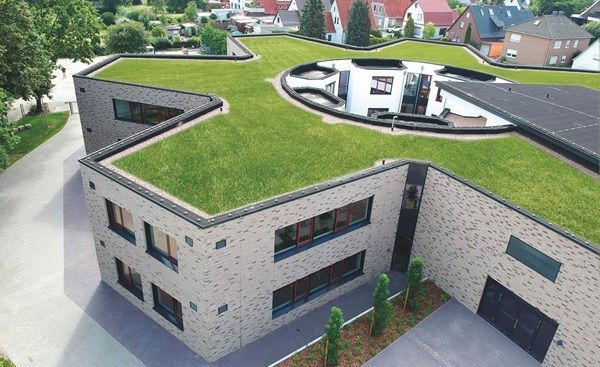
Earth Day is a great reminder that even the work happening above our heads can make a difference. Roofing plays a bigger role in sustainability than many people realize—from the materials used to how systems are maintained and even how they’re repurposed. Start with Smart Material Choices Eco-friendly roofing begins with selecting materials that are durable, recyclable, and energy-efficient. Cool roofing systems reflect sunlight and reduce heat absorption, lowering energy use and cooling costs Darker roofing materials in cooler climates can help absorb and retain heat, improving energy efficiency during colder months Recyclable materials like metal roofing and certain composites help reduce landfill waste Sustainable products offer longer lifespans, meaning fewer replacements over time The longer a roof lasts, the less waste it creates. Restore Instead of Replace One of the most impactful ways to be eco-friendly is choosing restoration when possible. Roof coatings (silicone, acrylic, elastomeric) can extend a roof’s life by 10–20 years Reduces tear-off waste Uses fewer new materials Restoration is both cost-effective and environmentally responsible. Reduce & Reuse Jobsite Materials Roofing projects don’t have to mean everything goes to the landfill. Recycle shingles, metal, and other materials whenever possible Minimize waste through careful tear-off practices Creative Reuse: From Roof to Home Design Materials like corrugated metal panels can be repurposed into unique interior features: Accent walls or ceilings Kitchen backsplashes Bar fronts or shelving Decorative outdoor elements Repurposing materials not only reduces waste but adds character and a story to your space. Rooftop Gardens: Function Meets Sustainability Green roofing is gaining popularity...and for good reason. Natural insulation: Rooftop gardens help regulate building temperature, keeping interiors cooler in the summer and warmer in the winter Energy savings: Reduced demand on HVAC systems Environmental benefits: Plants absorb carbon dioxide, improve air quality, and help manage stormwater runoff Aesthetic value: Creates usable green space in urban environments Rooftop gardens turn unused space into something functional, beautiful, and environmentally beneficial. Improve Energy Efficiency A well-designed roofing system directly impacts energy use. Proper insulation and ventilation reduce energy loss Reflective coatings lower heat gain Energy-efficient roofs reduce overall carbon footprint Maintain What You Have Sustainability isn’t just about installation, it’s about longevity. Regular inspections prevent major damage Maintenance extends the life of the roof Fewer replacements mean less waste Taking care of your roof is one of the easiest ways to be eco-friendly. Build with Responsibility An eco-conscious roofing company also focuses on how work is performed: Following environmental and safety standards Using efficient equipment and reducing unnecessary waste Educating customers on sustainable options The Bottom Line Eco-friendly roofing is about making smarter choices from installation to maintenance to reuse. By extending the life of materials, reducing waste, and exploring innovative options like rooftop gardens, roofing can play a meaningful role in protecting both your property and the environment. This Earth Day, think beyond the surface...your roof has more potential than you might expect. To learn more about eco-friendly roofing options, click the links below and visit our trusted partners, Brava , Carlisle and QXO .